



My Summer Vacation – Foreign Extraction Edition, Part VII
In the last installment our brother had decided to come with us, we had worked out travel plans, and were getting ready to embark on a “tour du village” so he could say goodbye to […]
Right Bike, Wrong Trail – an Alpine Adventure: Part I
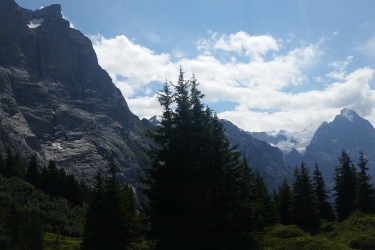
My summer vacation this year was a trip to Switzerland, with a side trip to the Netherlands to visit some friends who live there, and a side trip to Barcelona to spend time with friends […]
Stealth Teflon – the Secret Strength of Passivity
Not too long ago I was told that I was perceived as passive. Most people who know me will probably be surprised to hear this, but I wasn’t that surprised because I had been passive […]

The Ripple Effect of the Woody Allen Culture
When I was a teenager, Woody Allen movies were the available cinema for a small-town kid with hopes of becoming an intellectual. But, looking back, I wish I had never heard of him. I think […]

Goodnight Airplane
If you’re ever at the airport late at night, or early in the morning, you may have noticed that a lot of planes spend the night at the gates. Have you wondered what is going […]

The Fallacy of the Chaotic Creative
I recently read the tidying book that was so popular a couple of years ago (yeah, I’m always behind with the best sellers), “The Life Changing Magic of Tidying Up.” I have always been quite tidy, […]

Blogging Paralysis
Blogging Paralysis In the summer of 2016 I was working on my second novel, and let my blog lapse, for what I thought would be short break. Weeks turned into months, with an occasional post […]
My Summer Vacation – Foreign Extraction Edition, Part XI, the Wrap
In the immortal words of Jim Anchower, holas amigos, I know it’s been a long time since I rapped at ya. At the end of the last installment I had sampled the unfortunately named Pocari […]
My Summer Vacation – Foreign Extraction Edition, Part X
My Summer Vacation – Foreign Extraction Edition, Part X By the end of the last installment, we had departed Manila and were on our way to Tokyo (actually Narita, a suburb of Tokyo). The check-in […]

My Summer Vacation – Foreign Extraction Edition, Part IX
In my last installment, we had made it to Manila on Thursday, but would need to wait until Saturday to fly out of Manila, and, we hoped, on to the States. We had spent a […]
My Summer Vacation – Foreign Extraction Edition, Part VIII
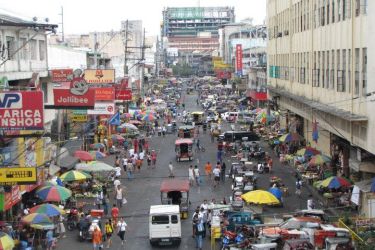
Hello readers, I’m back with more of my Philippines tale. In the last installment we had traveled from my brother’s village to the airport in Cagayan D’Oro and were waiting for our flight to Manila. […]
Just Keep Your Hands to Yourselves
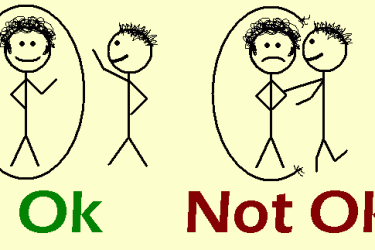
We women are blamed for exciting desire. We are blamed for killing desire. In summary, anything that happens with desire – it’s on us. So many harassers. Falling like dominoes as their victims, backing each […]

My Summer Vacation – Foreign Extraction Edition, Part VI
At the end of my last installment we had traveled to Illigan City and procured cash and produce. The trip back was mostly uneventful. Night fell as we traveled back, but under the auspices of […]
My Summer Vacation – Foreign Extraction Edition, Part V
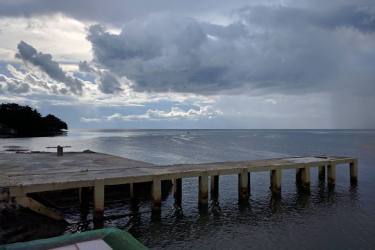
In last week’s installment, we had just talked to our brother at the mayor’s office, and then received a ride back to our guesthouse, courtesy of one of the mayor’s drivers. I’ll segue here and […]

My summer vacation – Foreign Extraction Edition, Part IV
Picking up where I left off (almost 2 weeks ago – sorry!), my stateside brother and I had just had a meal of fish and rice, followed by with some delicious pineapple pie, and were […]
My Summer Vacation – Foreign Extraction Edition, Part III
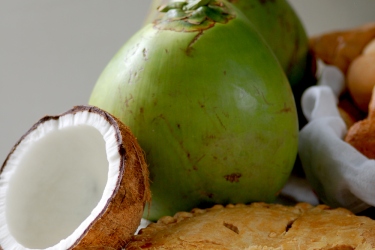
In last week’s installment, we had just wrapped up our brief adventure in Narita, Japan and were headed back to the airport to fly to Manila. After a leisurely and somewhat circuitous trip to see […]
My summer vacation – Foreign Extraction Edition, Part II
left off I left off as my stateside brother and I finalized our plan to travel to the Philippines to retrieve my Philippines-dwelling brother from near a war zone. I have flight benefits through my […]
My Summer Vacation – Foreign Extraction Edition, Part I
How did everyone’s summer go? Did you get out to the beach? Have some BBQs? Do some camping? Kayaking? Bike riding? How about that eclipse? That was something, huh? I did manage to do most […]
What We Really Mean by States’ Rights
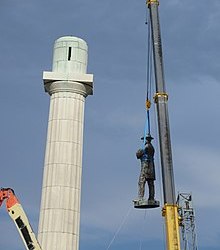
I was talking to someone about the Civil War, and Lincoln and what the war meant to either side. To me, it seems clear that it was about one faction wanting to continue to exploit […]

Are You Scared Yet?
In what is by now old news, last weekend a few hundred heavily armed neo Nazis, white supremacists and members of the deceptively named “alt-right” marched in Charlottesville, Virginia. After weeks’ long period of relative […]

Your Standards Will Save You
Very many years ago, in the early days of the internet, I got semi-catfished. The guy was real (truly, some friends met him at a later point) but was not at all what he claimed […]

You Say Control Like it’s a Bad Thing
People talk about those who like to be in control, as if it’s a negative trait. “Oh, she doesn’t like going to the doctor, because she likes to be in control.” Etc. You know what? […]
Policing Our Two Americas
When I was a kid, growing up with an alcoholic father and a mother who enabled him (consciously or unconsciously I was never sure), sometimes we would find ourselves, the 6 of us, crammed into […]
I Thought I Was Done Dealing with Teenagers
Regular readers of my blog might remember that I dealt with some immature characters while I was in airplane mechanic school. The kids in my class sometimes frustrated me, sometimes amused me and sometimes pissed […]

Difficult People
When I was in college, I had a few friends who were considered “difficult people.” Not by me, mind you. Coming from a crazy home as I did, I didn’t even notice that these people […]

In the Soup
I’m working on a post about how to think critically and evaluate the sources of information. It’s taking some time, so in the meantime I’ll tell a story about some soup I tried to make […]
No Blog Post/Tiny Blog Post This Week
I’m in the middle of Boeing 767 training this week and have had to flip my sleep schedule around so that I’m arriving at class at the time I normally get off work. I am […]

Technical Difficulties
Faithful readers, this week’s post will be a customer service rant because I’m in the middle of a Kafkaesque experience with my internet company and I am without internet except for the occasional connectivity I […]

Pass Rider – a New Board Game
Someday when I have run out of things to do, I’m going to invent a new board game so that people who don’t have pass travel privileges can experience the excitement of “non-revving.” To give […]

What is This Brain Sorcery?
When I was in A&P school I struggled a lot with the electrical portion of the training. I have always been good with concrete concepts rendered concretely, and abstract concepts rendered abstractly, but there was […]
Kids These Days, the Ballad of the Sad Countertop
I recently ordered new countertops for my house. When I had my kitchen remodeled in the early aughts I had a very constrained budget so a tile counter made a lot of sense. The person […]
Things I Don’t Understand – Hatred of the Press Edition
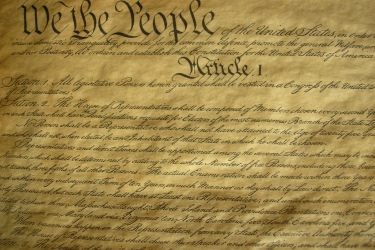
Someone posted in a Facebook group I belong to, about a conversation she had with a Homeland Security agent. The gist of it was that she asked what he was doing, he said he was […]
Running To Versus Running From
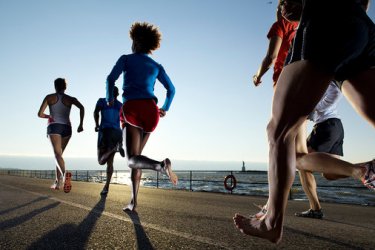
Years ago, while I was working the job that preceded my decision to leave corporate America in order to work on airplanes, a friend made the statement, “it’s always better to run to something that […]
Another Live Story
A few months ago I did another Moth Story Slam. This time the theme was “risk.” I talked about how I went from being a Microsoft corporate grind to a line mechanic for a major […]

We All Want the Same Things
In my current career I work alongside a number of people who are on the opposite side of the political spectrum from me. Amazingly, we’re not at each others’ throats most of the time. When […]

Survival Guide From the Trenches of Dysfunction
I’ve talked to a lot of people who are surprised by current events. They are surprised when liars lie; they’re surprised when someone who promised to do outrageous things follows through and does them. And […]
Blog Post Delay
I’m working on a post about unreliable narration, gaslighting and the parallels between an abusive relationship with a partner and an abusive relationship with your government. It’s turning out to be complicated and I want […]
Motorcycles in April – Part III
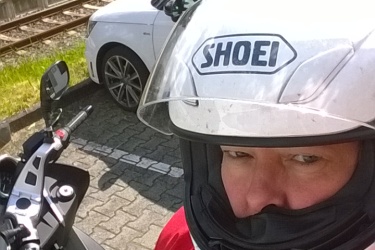
Faithful readers may remember the first two installments of my yarn about trying to explore the Romantischestrasse on two wheels – here and here. I’m quite sure you have all been on the edges of […]

What’s this “Dry Drunk” You’re Always Talking About?
After numerous conversations with friends in which I knowingly invoke the concept of the “dry drunk” only to be pressed for a definition, I’ve decided it’s a good topic for a blog post, since there […]

I’m Baaaack
Once upon a time I wrote a novel. I had never written an entire novel before so I wasn’t sure how to do it. I just opened up my subconscious and let it all tumble […]
Taking a few weeks off
Hi faithful readers. Between the collapse of Booktrope and the extra work that has created for me as I get my one published novel back out there in the world, and the need to have […]
Motorcycles in April, Part II
A few weeks ago I started a yarn about my recent trip to Germany and Prague. When we left off I was just entering Wurzburg but wasn’t quite sure where my hotel was. Because I […]
It’s Not the Writing that Scares Me
There’s a saying, “write what scares you.” In March I did the Moth Story Slam. Writing the story wasn’t especially scary. It brought up some unpleasant memories, but it wasn’t scary. You want to know […]
Further Thoughts on the Closing of Booktrope
When I got the news that Booktrope is closing, I was on day 3 of a vacation in Europe. I had just awoken to my first full day in Prague, and, as is my custom, […]
Aaaaand, Things Take a Sharp Turn
The day after my last post I learned that my publisher, Booktrope, is going out of business at the end of May. This isn’t entirely unexpected as there had been some recent turnover and drama, […]
Motorcycles in April
The one positive thing I can say about my tendency towards travel mishaps and misadventures is that it gives me almost unlimited blog post fodder. With that, I present the latest chapter, in which my […]
Tales from the Trenches of Standby Travel
A couple of weeks ago I was trying to get out of town on standby. You know how sometimes there will be a perfect storm of glitches? This was one of those days. One advantage […]
WIP Wednesday
I’ve been quiet lately. Last week I was sick, and this week I am sequestering myself to work on my next book – a sequel to Raising John. Here’s a sample from the beginning. This […]
Empowerment in the Age of the Supermodel
When I was in college I had a conversation with a guy once that went like this: Him: “It’s so strange, XXX (a mutual friend) knows who all the fashion models are. She knows their […]
To Be Young Again
I’m told I have some funny stories in me, and so begins a blog series of funny/poignant/ridiculous/illuminating stories from the archives of my brainpan. I’ll start with this one – in which my sister and […]
Crowdsourcing for My Tagline
I’ve been lax about updating my blog for the past few weeks. First it was The Moth and now it’s the interminable task of updating my website and figuring out how to market Raising John […]
Technical Difficulties
This week I was going to post my story in written form, along with the link to my Moth performance, but I’m having a hard time finding out where they store the recordings. I know […]

How to Do a Live Story
I missed my Wednesday post this week, but I have a reason. I was hard at work on a story for the Moth Story Slam. If you’ve never heard of it, it’s an offshoot of […]
The Power of Apology
Several times a month, if not every week, there’s a story in the news about an apology that’s not really an apology. A “sorry-not-sorry” if you will. Sports figures are caught doping or abusing the […]
Please Stand By
As an airline employee I am entitled to unlimited free travel on flights operated by my employer. This probably sounds like a wonderful perk, and it is, but it’s not the unfettered joy it might […]
Under Construction
I’m working on some updates to my website. Stay tuned for a more visually pleasing experience.
No Excuse Needed
If you participate in any sort of organized fitness, the concept of excuses comes up from time to time – if, for example, you decide to skip a workout. Or eat a doughnut. I used […]
Unearthing the Past
I spent most of my free time this week going through old family photos, letters and assorted mementos. A few years ago I became the custodian of these materials, distributed among several large and decrepit […]
Blog Within a Blog
I’m taking a sick day today, but providentially, it’s also the day my interview is out on Beach Bound Books. Please click through and have a read here.
Pantsing versus Plotting and the Emergence of a New Work Style
As I have mentioned in previous posts, I’m working on the sequel to Raising John. As I have not yet mentioned, I recently made a commitment to my book manager at Booktrope to publish it […]
Why I Don’t Make New Year’s Resolutions
It’s that time of year … resolution time, when the human population cleanses, declutters, joins gyms, purchases aspirational organizing systems, tries to quit bad habits and start good ones. I don’t remember ever making a […]
Preview of Coming Attractions
Somehow, in between fixing airplanes, I’m going to find the time and brainspace to finish my next novel in 2016. I’m writing it as a sequel to Raising John, because many readers wanted to know […]
Merry Christmas
Wishing my readers peace and happiness for Christmas and beyond.
My Continued Humbling
In which I am stuffed into various tiny airplane compartments. At my mechanic job I have two mentors – let’s call them Wizard and Wizard Junior. I think Wizard might really be a wizard. Legend […]
Nearly Wordless Wednesday
Yesterday I helped with my employer’s annual holiday party for kids in need, which included shuttling about 92 million boxes of inflatable decorations on the freight elevator. What I really wanted to do was stab […]
The Glamorous Life of a Writer/Airplane Mechanic
Four days a week I work overnight at SeaTac airport. I report for work at 9 PM and get off in the wee or not-so-wee hours of the morning, depending on the workload. When I […]
Thanksgiving
Things I’m thankful for: Knowing that it’s OK to end a sentence with a preposition. Having friends who are like family to spend the holiday with. Having family who are like family and who are […]
Remember My Writing Career?
Remember how, in addition to becoming an airplane mechanic, I was also into writing? Remember how I wrote a book? And published it myself? Well, about a year ago, I signed on with Booktrope to […]
Random Thoughts on Judgment, Paleo and Grammar
I have this folder called “Post Ideas.” This is where I dump blog post ideas when I have a flash of inspiration but I’m not in a position to write the post right then. Sometimes […]
From the Top of My Game to the Bottom
If anyone ever told me that it would be easy to make the shift from successful software industry career to airplane mechanic, I would now go find them and beat them up. Not really, but I would […]
How Not to be a Horrible Customer or Client
I have several friends who are consultants and one who owns her own specialty construction business. Oh, the stories they tell of customers from hell. Here’s how not to be that customer: If they give […]
Postcards from the South – Part IV
Continuing the story from last week, after consuming half the contents of an Applebee’s I visited the Publix for snacks to get me through the next day’s ride, then returned to my hotel room, which, […]
Postcards from the South – Part III
Picking up the story from two weeks ago – after running all over town to acquire a replacement wheel and pants that didn’t make me want to stab myself, it was back to my luxuriously […]
Haiki Post
I’m still away from home at my undisclosed training location. This week I came down with a cold and have prioritized sleeping over blog writing, so, instead of my usual post, I present this haiku […]
Postcards from the South Part II
On Thursday of my first week in City X, I ventured farther afield – took the light rail and a bus to an in-city area where mountain bike trails were promised. As I discovered later, […]
Postcards from the South Part I
My new job has sent me to a city, far from my home in Seattle, to learn about the Airbus 330, one of the planes in the fleet that I see frequently in Seattle. I […]
Top 5 Reasons Why Being a New Airplane Mechanic is Awesome
As I have mentioned in previous posts, I was recently hired as a full time line mechanic at a major airline. Yay! This week I’m spending some time at the mothership getting fleet training on […]
Holy Intrusiveness Batman! Or, How to Defend your Borders
I had an experience recently that made me really glad of the work I have done to learn about personal boundaries and how to enforce them. Someone I encounter in my daily life decided that […]
You Know You’re An Airplane Mechanic When …
You’re constantly slapping yourself on the forehead and wondering why your headlamp isn’t there to light up your food prep/book/sock drawer the way it’s always there for you when you’re working. You come to think […]
Top 5 Signs that You’re Being Manipulated
Another thing about growing up crazy is that oftentimes people with mental illness or severe emotional problems are adept at manipulating other people in order to get their own needs met. This can happen because […]
My Life Hacks
When I was a kid, there was a thing called “helpful hints.” They were collected and disseminated by nice housewifely ladies. Now we have “life hacks” and they’re created and distributed by irony-loving millennials. I’m […]
What No One Tells you About Growing up Crazy
Lately I have been thinking a lot about what it means to grow up in a crazy household, and how, even though you can leave, you can never really outrun the effects. When I was […]
Blog Vacation
As I adjust to my new work schedule and take some time to enjoy summer, I am taking the week off from blogging. See you here next week.
The Learning (and Fun) Never Stops
Having survived 2 years of airplane mechanic school, and two days of oral and practical exams, I thought I might be done with formal schooling for a while, but since I got hired at my […]
Six Ways from Dysfunction
Think about what slice you use to measure your life. For a while I did Crossfit, and now I do Olympic weightlifting. I’m not really the typical body type or age (or personality) for these […]
Random Thoughts of a Jet-Lagged, Newly Minted Night Shift Worker
I just started my night shift hours hot on the heels of 2 weeks spent 9 time zones away. I’m adjusting, but barely, so here’s a collection of random thoughts. I spent most of my […]
Another Bloody Church – Travels Along The Danube
I’m still on vacation this week, traveling the river route between Budapest and Amsterdam. I’m repeatedly reminded that the structures that have survived (or have been rebuilt) from earlier times tend to be the houses […]
The Road to Hungary
I’m on vacation this week, so my next couple of posts will be travelogues. At the moment I’m on a river cruise boat, docked outside Vienna, on the way, eventually to Amsterdam. Unless you’re a […]
Oversharing Ahead
I have been thinking about boundaries/lack thereof and how we’re taught to take care of ourselves. In a post last year I wrote about a friend who never gives anyone a second chance to treat […]
Mindfulness as the Antidote to Shoulding All Over Yourself
Do you ever “should” all over yourself? Think that whatever you’re doing, you should be doing something else? I do it a lot and it robs me of happiness. Recently I had to deal with […]
Some Airplane Noises and What They Mean
First of all a note: this post suggestion came courtesy of my brother who wanted to know what some specific airplane noises mean. I realized this might be a great topic for others to ask […]
Some Pros and Cons of Being a Line Mechanic
Since I am officially a real airline mechanic now, and not just an intern, I now feel qualified to have Big Opinions about the pros and cons of my new occupation. Also, I need a […]
A Tale of Peony Envy
One year I went to the Northwest Flower and Garden Show. I went with a friend, E, who also liked to garden. This was back in the days when I actually liked to garden. I […]
The Next Phase in Project Dream-Life
Today I have an interview at an airline. I don’t want to jinx myself or pre-count chickens, but if all goes well I will have achieved the holy grail of a major airline job right […]
A Catalog of Minor Annoyances
If you’re scheduled to go on a flight, we have to assume that you knew this was going to happen quite a few days before the moment when you arrived at the security line. Since […]
Chapter 38 – Or Airplane Toilet Tech Talk for the Non-Technical
I knew this night was coming, but I didn’t know when. Sooner or later, every mechanic working on transport aircraft will need to deal with Chapter 38. What is Chapter 38, you ask? Are you […]
What Mechanics Need
Helping take my school’s teams to the Aerospace Maintenance Competition got me to thinking about what you look for in a good airplane mechanic. I think it boils down to three things: the ability to […]
Licensed to Learn (and Fix Airplanes)
Short post today because I spent the day testing. And now … drum roll … 2 years, 3 weeks and two days after I took my seat on the first day of airplane mechanic school, I […]
Aerospace Maintenance Competition 2015
Last year I participated in the Aerospace Maintenance Competition, as part of an all-female team from my vocational college. It was fun, but we had a hard time with preparation and only one of us won […]
Mechanic’s Shirts Should Also Come in Pink
My consistent readers will recognize most of this blog from last year. I’m reposting because I have been thinking about this more since I have started my internship in the line maintenance department of a […]
What a Difference Two Years Make
Exactly two years ago today I took my seat in the first quarter of airplane mechanic school. At that time all I knew what that it was time to make the leap from my corporate […]
You Always Have a Choice
Back when I was in college (the first time) I worked at the Chicago UPS on the night shift. I started working there about 9 months after I departed the cornfields of my small Indiana […]
Airplanes – They Sure are Big
The same day I finished airplane mechanic school, I started an airline internship (a week ago Monday). Every weeknight I go to their maintenance facility at the south end of Sea-Tac Airport. Here’s a typical […]
Retrospective – Where I Was Two Years Ago
I’m repeating the post that started off this whole airplane mechanic career change – I have been head down getting my school’s teams ready for the Aerospace Maintenance Competition and starting my internship at Delta […]
New Admiration for Sheet Metal Workers
This is what I have spent all my time doing this past week. Sheet metal work, especially with three dimensional forms, is HARD!. These plans: And these tools: Became this “wing.” The B, wasn’t the […]
AMAM
I debated whether I should post about sexism, because generally I try to keep a positive attitude about being a woman in a male-dominated field. And, the positive attitude is largely justified, because most of […]
The Possible Will Take a Little While
Back when I was working at Microsoft I had no free time because I was working all the time. Then I left Microsoft and looked forward to having lots of time to catch up on […]
The Worst-Case Scenario Method
Sometimes life throws hard decisions at us. It’s easy to get bogged down and paralyzed by all the possible outcomes, and end up defaulting to passivity. But, there’s another way. I call it the “Worst […]
Time is Going to Pass Regardless
In 4.5 weeks I will be done with airplane school. I mean, really, really done. Finit. It’s kind of blowing my mind because it really does feel as if I started just a few days […]
Goals of the Achievable Sort
About a year ago I got a fitbit. For the uninitiated, it’s a device you either clip to your clothes or wear on your wrist to track activity. I got it because I suspected I […]
Update on Some Random Stuff
A while back I mentioned that I am going to republish Raising John through Booktrope. I am really excited about this opportunity, but I am having to rein in my excitement until I can find […]
As the Propeller Turns – Deliverance Edition
From the department of good news/bad news, I am in my final quarter of airplane mechanic school. That’s good news because it means I will soon be able to join the ranks of money-earning people […]
Fixing – Not Just for Airplanes
Two things that have changed significantly since I left Microsoft and started airplane mechanic school: I have more time to do things around the house, because I no longer work punishingly long days; I know […]
A Christmas (Concert) Tale
A couple of weeks ago I had tickets to a Christmas concert. Bach’s Christmas Oratorio, to be exact. I had purchased my ticket well in advance and made plans to go with a friend. All […]
Licensed To Turn Wrenches
So … I passed! I passed my oral and practical Powerplant exams and I am now licensed to work on airplane engines. I’m not sure what was more harrowing, the weeks of study leading up […]
If the Oral Doesn’t Kill You, the Practical Will
Next week at this time I will have completed my Oral and Practical exams for my Powerplant license. As you might imagine, much of time is currently devoted to studying. I am feeling pretty confident […]
The Power of Habit, or Five Simple Things You Can Do to Improve Your Life Starting Today
I have never been one to do New Year’s resolutions. This is partly because I don’t believe in waiting for an arbitrary date to make improvements, but it’s also, more importantly, that I don’t believe […]
As the Propeller Turns – That’s a Wrap Edition
I survived the quarter! It doesn’t sound like that much of a feat, but given the drama of the past few weeks, there were a few times when I really wanted the end to come […]
As the Propeller Turns – Stuff Gets Real Edition
I’m in the last week of my penultimate quarter of airplane mechanic school. Fun times. Here’s a sampling of occurrences since last week: Apparently I upset my classmate, Young Guy Who Acts Like a Crabby […]
As the Propeller Turns – Human Factors Edition
I have a classmate (known in other posts as Young Guy Who Acts Like a Crabby Old Guy) who flies into a rage every time I suggest that I know something he doesn’t know, or […]
As the Propeller Turns – Inappropriate Conversation Edition
Last week’s post about a day in the life of an airplane mechanic student was so popular, I’m back this week with more snippets from my favorite conversations. There was this one: Man-Child to me: […]
A Day in the Life of an Airplane Mechanic Student
(Names changed to protect the innocent and incompetent.) 6:55 – Shoulder backpack and point keyfob back over my shoulder to lock my car as I fast-walk to the entrance of the hangar where school is […]
Why and How I Write
In honor of hitting my 200 blog post milestone, I wrote this post in response to the question: “explain how you write and what inspires you.” A little over ten years ago, after saying for […]
Decisions, Decisions – More from the Trenches of Indie Pub
After 10 months of DIY book marketing, I’m ready to try something new, I think. I have been given the chance to republish my book through a hybrid publishing service and let them direct my […]
Traveling, Writing, and Following Your Dreams
I wrote this in response to the question, “How has travel influenced your writing?” Some people know where they’re going in life from a very young age. When I was in first grade, I planned to […]
Airplane TechTalk for the Non-Technical: Propeller Basics
I have signed up to take the first of my FAA certification exams in just 10 shorts weeks (eeep!) so expect more of these techtalk posts as I work through the material I need to […]
Airplane Tech Talk for the Non-Technical: Cabin Pressurization
Another in my occasional series demystifying the inner workings of airplanes. This week – cabin pressurization. As most people know, modern passenger planes are usually propelled by turbine engines, and usually fly at around 35,000 […]
GoFundMe Campaign: Help a Student Out
Reminder: I’m reading at Third Place Books in Ravenna, TONIGHT, Wednesday, September 17 at 7 PM. Details here. Now to my blog post: Dear Readers – I don’t normally use my blog to make fundraising […]
Shameless Self-Promotion, or Five Reasons to Attend My Reading
This week, I’m 7 days away from my first bookstore author reading, so here’s some shameless promotion of same. If you’re in the Seattle area (or wish to visit – it’s lovely this time of […]
Lives Real and Imagined
Today I visited the campus of my alma mater. I hadn’t been here since the last reunion, and being here on a non-reunion day is quite a bit different, and being here between school sessions […]
Bookselling – the Saga Continues
A couple of years ago, when I was deep in the weeds of editing my novel, Raising John, I naively believed that editing was the hard part. Make no mistake, it was hard – it was […]
Ten Things I Have Learned Since Starting Airplane Mechanic School
1. I used to think I was unable to learn new things. You get that way as you get older. School starts to seem like a young person’s game and the brain starts to feel […]
Airplane Tech Talk for the Non-Technical: Cabin Cooling Systems
My prior duo of posts about airplane turbine and reciprocating engines was popular, so I’ll expand the series to talk about the mysterious inner workings of other airplane parts. This week, let’s talk cabin cooling. Smaller […]
My Week of Living Dangerously
Last week I discovered the hazards of packing one’s laptop in the front pocket of one’s suitcase. And then checking said suitcase. No, my laptop didn’t get stolen (Alaska Airlines, if anyone’s keeping track), it […]
Airplane Tech Talk for the Non-Technical – Turbines
A couple of weeks ago I explained reciprocating engines, especially as they relate to aircraft. But, truth be known, I’m all about the turbines. Turbine engines are what got me excited about airplanes to begin with. […]
Three Inspirational Thoughts and One Goofy One
I hope you all enjoyed last week’s post about reciprocating airplane engines. I’ll write about turbine engines in the next week or so, once we have covered them more in class. Meanwhile, here are 4 […]
Airplane Tech Talk for the Non-Technical – Reciprocating Engines
Today is the first test of the quarter, and since I have utterly failed at my “write blog posts on the weekends and queue them up to prevent Tuesday-night blog-post-writing panic” plan, this post is […]
For Anyone Who Fails at Constant Happiness
Does anyone else feel like we’re under constant pressure to be happyhappyhappy all the time? Find joy in every moment! Be present and mindful! Find your true calling! Kick that depression to the curb! All […]
The Fragility-Assertiveness Continuum
I belong to a Facebook group where the concept of “anti-fragile” is frequently discussed. It’s a useful concept for people who get wrapped around the axle about the details, and get in the mindset that […]
Everybody needs a vacation now and then
Dear Readers, I am on vacation and taking the week off from posting. See you next week.
More Stories from the Trenches of Indie Publishing
This has been such an interesting process that I want to keep sharing my experiences with my wonderful readers. I’m on a three-week break from airplane school, so I am using the time to do […]
Flight Test
Updated on 6/12/2014 My career shift just keeps getting better. This week I’ll be talking to a flight test manager at Boeing, so I can learn more about the role of flight test mechanic, get […]
As It Turns Out – Writing the Book Was the Easy Part
(Corrected from the original to reflect correct Amazon ranking. I originally stated my best was 2582, but it was actually 1287 for e-books. The lower ranking included my print edition.) As many of my readers […]
Best Day Ever
In life, you can go with the safe option, and know that you’ll be able to predict how most of your future days will go. Or you can toss the safe option out the window, […]
As the Propeller Turns – Spring, 2014
This is one of my occasional series of posts about airplane mechanic school. You can read the other posts in the series here. Believe it or not, I’m over the hump. I’m 2.5 weeks away […]
My Visit to the Alternative Physics Garage
This week’s post is a lighthearted answer to the question: What if we treated our cars the way we treat our bodies? Please note that this is a satirical post and does not represent actual events. […]
When You Have the Attention Span of a Gnat
A friend and I were talking about the challenges of getting things done when you have a short attention span. I was reminded of this little “day in the life” account I wrote a few […]
The Two Facial Expressions That Stop Stupidity Cold
I was going to share this with some friends, but then I realized it would make a great public service announcement. I have recently noticed that there are a lot of people who aren’t comfortable […]
Let Me Tell You How Much I Hate Painting
I’m kind of phoning it in this week because I have used up all my free time painting my living room and hallway. I hate painting. It always takes longer than I think it will. […]
No One Can Take This from You
Do you ever feel badly about yourself because of traits that are perceived from the outside? Your looks? Your body? The prestige (or lack thereof) associated with your career? Yeah, me too. I think we […]
Slow is Smooth and Smooth is Fast
Back in the 90s Jeffrey Mayer wrote If You Haven’t Got the Time to Do It Right, When Will You Find the Time to Do It Over? The title was based on a quote attributed […]
Happy Dreamversary, Me
One year and one day ago, I was just over a week out of Microsoft, and sitting in my first day of class in the Aviation Maintenance program at South Seattle Community College. I was […]
Aerospace Maintenance Competition
It’s over for this year. Four classmates and I competed as the only all-woman team at the annual Aerospace Maintenance Competition. It was our first time out. We competed against a roster of student teams […]
A Lot Can Happen in a Year
Last year at this time I had just said goodbye to Microsoft and was preparing to start airplane school. Today I’m competing in the Aerospace Maintenance Competition in Las Vegas. It’s kind of blowing my […]
Aerospace Maintenance Competition – Here I Come!
Next week I’m going to Vegas to participate in the Aerospace Maintenance Competition. It’s put on by various manufacturers and airlines as a way for them to do research about their products and methods while […]
Who Ya Calling Bossy?
Last week I exhorted women to stop worrying about treading in men’s space and just go and claim what they want. Long ago, I wrote about how all of us, men and women, should think […]
Why You Should Wear Pink To Work on Airplanes (If That’s What You Want to Do)
In a few weeks I will be competing in the annual Aerospace Maintenance Competition. A year ago I didn’t even know such a thing existed. I’m nervous – I need to improve my skills in […]
You Go to War With the Army You Have
Back in the early aughts, Donald Rumsfeld, defending the troops’ shortage of armor and supplies in Iraq, was quoted as saying “you go to war with the army you have.” When we’re talking about sending […]
As the Hangar Turns
Believe it or not, I’m nearing the halfway point of my airplane mechanic schooling. So far it has been an interesting ride. Here are some highlights from the past year. First quarter was almost all […]
Five 100-Word Thoughts For a Wednesday
I think my brain/mouth filter went a little haywire when I turned 40. And I never bothered to have it repaired. There’s something to be said for just telling it like it is, although not […]
Ten Small Habits to a Bigger Life
I often get asked how I have time to do the things I do – write, go to school, mountain bike, maintain a reasonably orderly home and life … yeah, I am pretty productive, but […]
I’ve Finally Gone and Done It
I’ve published my book! Please bear with me for this commercial blog post. I’ll return you to your regularly scheduled program of travel stories and philosophical musings next week. But for now – I PUBLISHED A […]
“Do What You Love” – Nice Work if You Can Get It
Last week Slate ran this article. Its point is that the aphorism to “do what you love” is steeped in the oblivion of privilege and that it’s insulting to those who must, simply, work. Given […]
The Often Convoluted Road to Indie Publishing a Book
I’m finally done. Galleys proofed, cover finalized, acknowledgements made. I’m ready to publish my book! I’ll have a link up soon, but in the meantime, you might be interested in hearing what all goes into […]
Radical Detachment
We humans don’t always make the best decisions. We throw good money after bad. We fail to save for a rainy day. We don’t floss as often as we should. We do the same thing […]
Notes from the Trenches of Indie Publishing
Happy New Year, readers. My first novel releases on January 25. Here are some things I have learned on the way to indie publication. 1. In the old days you pounded the pavement with your […]
Merry Christmas
I am taking the week off. Merry Christmas. See you in 2014.
A Master Class in Travel: Kampala, Uganda to Maputo, Mozambique Overland -Final Exam-Part I
This week we have a guest poster, my Africa travel companion, Mr. K. If you think you know the answers, please post in the comments. I’ll post the key later this week. Choose the one […]
Africa Overland Part XIII – Flat Tire in Malawi
At the end of our last installment, we had just gotten past a road blockage on the way to Senga. Not too long after we stopped for gas and cash in Mzuzu. Getting the gas […]
Africa Overland Part XII – The Shores of Lake Malawi
At the end of the last installment, we had stopped for the night in Karonga, Malawi, a good-sized town near Lake Malawi. There wasn’t much to see in this town so we were up and […]
Africa Overland Part XI – Karonga, Malawi
At the end of the last installment we had made it through the Tanzania/Malawi border crossing at Songwe, with about an hour to spare before dark. We set our sights on Karonga, a town on […]
More Postcards From the Hangar
Wow, time flies. Kind of like the airplanes at my school don’t. It’s hard for me to believe this, but I am one final exam away from completing my third quarter of airplane mechanic school. […]
A Story About an Amazing Thing I Saw With Birds
This story doesn’t have a life lesson, or a clear narrative, or really any point at all, except that I saw a birds being amazing and I want to share it. Also I’m a little […]
Africa Overland – Part X: Into Malawi
At the end of the last installment we had successfully fended off a pack of currency exchange jackals, just on the Tanzania side of the border at Songwe. Next stop, the border crossing, which we […]
In Honor of NaNoWriMo
Back in the days when I did NaNoWriMo yearly I developed a strategy that helped me keep writing when my ideas dried up: two characters, the writer and the therapist. They got together whenever I needed to […]
Africa Overland – Part IX: Last day in Tanzania
At the end of our last installment, we were ready to depart the Utengule Coffee Lodge with plans to cross into Malawi at Songwe before nightfall. We passed through Mbeya on our way south. As […]
Africa Overland – Part VIII: Lodging at the Coffee Plantation
At the end of our last installment, we had just experienced our first checkpoint bribe, as we traveled from Itigi to Mbeya. As we drove south we went from red-dirt lowlands to alpine terrain and […]
Africa Overland Part VII – Itigi to Mbeya
(Correction: in my last installment, I said we stopped for the night in Izinga. After more careful review of the maps, I realize we were actually in Itigi. Carry on.) At the end of the […]
What? More Revisions?
A few months ago I entered my manuscript in two literary contests I didn’t win either, but I was a semi-finalist in one of them (yay). I also received two critiques for each contest. Three […]
Scenes From a Writing Weekend
Last weekend, driven by a prearranged date with an editor, I finally buckled down and wrote the 4.5 scenes that I believe my book needed in order to be complete. I had spent many hours […]
The Biker’s Story of Job
Dear Readers, I am knee-deep in revisions of my fiction manuscript, so I’m reaching back into my personal archives for today’s post. I wrote this nearly 15 years ago in an attempt to capture the […]
Africa Overland – Part VI: Bihamuralo to Itigi, Tanzania
At the end of the last Africa Overland installment, we were just departing Bihamuralo, Tanzania, where we spent our first night on the road. K had examined the map and suggested that for this second […]
A Novel’s Worth of Blog Posts
Dingdingdingdingding! I have reached a milestone. This is my hundredth blog post. Do I get a prize? Does the International Blog Registry hand out plaques or commemorative clocks for this achievement? No? OK, I’ll just […]
Are You Productive, or Are You Just Busy?
I have been thinking about this lately, because as I have become less busy, I have become protective of my free time, not because I require vast tracts of empty space on my calendar for […]
Slow Food and Poverty in America – Part II
Continued from last week as our intrepid factory worker tries to shop local at the farmers’ market … Buy a few bunches of carrots (your kid loves carrots). Ask for a bag because you’re not going to […]
Slow Food and Poverty in America – Part I
Recently I read this article in the Atlantic. In summary, the author posits that the vast majority of Americans eat big-agra food and this is not likely to change, so the best way to address […]
My Two-Wheeled Friend
I owe a dear friend an apology. I neglected this friend for far too long. I hope I will be forgiven and we can go on as before. Back when I was working long hours […]
The Deprivation/Freedom Equation
Twenty frozen bananas cascaded out of my freezer the other day. As they ricocheted off my feet and skittered across the kitchen floor I was reminded of something I have known at various times in […]
Africa Overland Part V: Biharumulo, Tanzania
(Correction – my traveling companion, K, reminded me that our friend in Biharumulo was named Daniel, not Patrick as I remembered.) At the end of the last installment we were making for Biharumulo, Tanzania, hoping […]
Africa Overland – Part IV: Tanzania
At the end of the last installment, we had just stopped for a photo op at the Equator, a couple of hours from our first border crossing, into Tanzania. Next to the acquisition of the […]
Africa Overland – Part III: South from Kampala
At the end of the last installment, K and I had, by dint of persuasion and gratitude, procured an important certificate from Kampala Interpol. By this time it was close to 6:00 PM and we […]
Empowerment Beats Defensiveness Every Time
“It’s not my fault.” We learn this phrase early and use it often throughout life. It seems like a safe harbor from blame, but it can be crippling. We say it’s not our fault because […]
Africa Overland – Part II: More Red Tape in Kampala
We left off as K and I stood in a very long line outside the Kampala Interpol, a concrete building containing numerous cell-like offices. We were waiting to get a certificate that would affirm that […]
What No One Tells You about Gaining your Freedom
During the periods in my life when I have felt overworked and overscheduled I have looked forward to a time when things would slack up a bit. I would imagine all the things I would […]
Africa Overland – Part I: Red Tape in Kampala
Once upon a time, not too long ago, I road tripped through the lower third of Africa. It all started when a friend left a job in Uganda for a job in Mozambique. She moved […]
Cats Don’t Think About Body Image
My cat Abigail looks like a bowling ball with legs. She’s very active and the vet says she’s in good health, but I doubt she will ever be waspish. She doesn’t care. Abigail owns any […]
You Get What You Pay For – Or Do You?
By now I have done it all ways. I have been really poor, I have been in-between, and I have been flush. In my early adult life I had so little money that sometimes I […]
Sometimes the Best Way to Cure Decision Fatigue is to Make a Decision
As my regular readers know, I have written and revised a novel. When I last mentioned it, I had finished some heavy revisions and needed to write a few more chapters. Since then I have […]
A Sense of Purpose Has Many Uses
Nothing is perfect, even airplane school. The flaw is a small peanut gallery who issue snotty remarks from the left (or, in aviation-speak, portside) rear corner of the room. I don’t know these guys, and […]
Five Weeks and Counting
I am in my fifth week of Aviation Maintenance Technology (AMT) school. It’s a drastic change from my previous life, but from the first day, I have had exactly zero moments of doubt. Even when […]
Revenge and Empathy
In last week’s post, I wondered what would make someone do something as hateful as the Boston Bombing. A reader commented that it doesn’t matter why, that the most important thing is to kill those […]
Not Again
At first I read the headlines figuratively – remembering how last year many runners suffered acutely from the heat, and not having the context to conceive of an actual bombing at the Boston Marathon, I […]
In Which I Bond With a Small Conifer
Airplane school is taking up all my mental energy right now, so I am posting from the archives of my life’s odd happenings. Once upon a time, I skied at Mission Ridge, in Eastern Washington. […]
Dreams Can Come True
I am in my first week of airplane school and so far it seems like one of the best decisions I have ever made. I don’t miss my old job at all (sorry Microsoft!) and […]
We’re All Entitled to This
I drafted this post almost a year ago, but have debated publishing it because it’s so personal. I decided to go ahead with it because 20 years ago, reading something like it would have given […]
And Now for Something Completely Different
It started furtively – I would spend secret Saturday afternoons near the airport, standing under the ILS towers, head thrown back, watching the lineup coming in to land, staring at the bellies of 737s and […]
And the Winners Are …
Funniest – Luc Santos-Dumont: “Testosterone is the most dangerous drug.” Pithiest – M.S.: “Having children pierced my heart’s shell.” Thanks to all who entered, and please know that the judging was hard because all the entries were […]
The Smelliest Catch – Part VI
We resume the story as I report for work on the Ocean Phoenix and wait to hear whether I passed the pee test. On the second evening, just as I was starting to think I […]
The Smelliest Catch – Part V
At the end of the last installment, I was winding up my visit to the Kalispell, Montana area and heading back to Seattle to seek my next fishing gig. I was better equipped for the […]
Contest – Six Word Memoir – enter by March 15
Time to have some fun. Try your hand at a six-word memoir. For ideas, there’s a Wikipedia entry on the topic, with some good samples. I will award 2 prizes. One to the wittiest entry […]
Memoirs – Six Words and More
Recently I submitted an entry for a six-word memoir contest. The prize is admission to a memoir writing retreat. It was a great exercise in pithiness and it reminded me that I want to write […]
Synopsis Flopsis
Recently I needed to update my novel’s synopsis in order to enter the manuscript in a literary contest. I hadn’t looked at my synopsis since before I revised my novel, so I knew it would […]
The Smelliest Catch, Part IV
We pick up the story as our hardy work crew is given the gift of 2 more hours of sleep a day, courtesy of a slimmed-down 16-hour-a-day work schedule. It doesn’t sound like much, but, […]
Sometimes You Just Have to Punt
Another thing that’s better about getting older is that you have had enough time and experience to figure out what works and what doesn’t. You’ve had a chance to figure out what behaviors bring people […]
The Smelliest Catch – Part III
The story resumes as I try to describe what it’s like to work for 18 hours a day, 7 days a week. Because the sockeye season is so short, and the boat has so little […]
Ten Pounds of Living into a Three-pound Life – Part II
I have a bad habit. I schedule optimistically. Especially when I’m on vacation and I want to do more than there is time for. So, optimistically, I believed I could ride all the way to […]
The Smelliest Catch – Part II
We pick up the story as I try to explain how job hunting for a fishing boat job is different from looking for a job in say, the air-conditioned offices of an investment firm. You […]
The Smelliest Catch, Part I
It was the worst year of my life. When people ask me, “what was it like” that is my first response. Worst. Year. What experience prompts this outpouring of negativity? For slightly under one year, […]
Jennifer’s 2012 in Review:
Went to Kenya – Y Saw elephants, giraffes and zebras – Y Got eaten by a lion – N Met an authentic example of a bitter, pickled, post-colonial European – Y Visited some classic Olympic […]
Impressions from an African Road Trip
I recently had the unique opportunity to drive a car through 4 countries in Eastern and Southern Africa. The route was from Kampala, Uganda, along the west side of Lake Victoria, into Tanzania, more or […]
Peace
I had some travel posts in the works, but this week it seemed wrong to post a about anything lighthearted so soon after the horrible tragedy in Connecticut. I think anyone who has any connection […]
Ten Pounds of Living into a Three-pound Life – Part I
One time, not too long ago, I spent a Thanksgiving weekend in Maui. It was my first time there and as much as I would like to think that I will have numerous future opportunities […]
A Refreshing Foot Bath in the Land of Smiles – Part IV
When we left off, I was standing under a street light on an unfamiliar residential street, trying to glean information from an increasingly soggy map. From behind me I hear a voice ask me if […]
A Refreshing Foot Bath in the Land of Smiles – Part III
We pick up the story in at 7-11 outside Chiang Mai, where I have stopped to buy a map and ask the staff to show me where I am along the road that runs in […]
A Refreshing Foot Bath In the Land of Smiles – Part II
We resume the story as I head back to the hotel after my fish pedicure. I walk out of the spa on my bloody stumps after a one-hour treatment stretches to about 2.5 hours. I […]
A Refreshing Foot Bath In the Land of Smiles – Part I
In 2011 I went to Southeast Asia for the first time; the trip was a large group effort to help a friend celebrate a milestone birthday. We met in Bangkok then took a train to […]
Whole-Ass One Thing
In season 4 of “Parks and Recreation” Leslie Knope’s boss Ron Swanson advises her, “never half-ass two things. Whole-ass one thing.” One difficulty of modern life is that there are so many ways to spend […]
Has It Really Been a Year Already??
Just about one year ago, I started this blog. It has been a lot of fun and it has been a great way to exercise my writing and thinking muscles. It has also been very […]
You Might as Well …
You might as well like yourself because, really, what is the alternative? You might as well like your body, because it’s the only one you’ve got. You’ll be sorry when it’s gone, so be nice […]
Bike Race
This post is based on an article I wrote in 1999, on the occasion of my first (and almost last) solo bike race. Back then, I submitted it to Dirt Rag, but they weren’t interested. […]
Maybe You DO Know What You’re Doing
When I first drafted my novel Raising John, I chose that title because it fit with what I was trying to express, and it was the first title that came to mind. When I sent […]
Jennifer Lesher’s Day Off
One of my most faithful readers requested a post on this topic, so here goes. In the spirit of Ferris Bueller, I am going to describe my ideal day off. There are two ways to […]
Why Getting Older Really IS Better than the Alternative
Aging has been a popular topic lately among my peers. Many of us are about halfway through our lives and we’re noticing and bemoaning the effects of the years that have gone past. Creaky joints, […]
If You Wrote Well Once, You Will Write Well Again
Much as I used to believe that I must keep an iron grip on any words I have written because I don’t want to lose word count, I also used to believe that I if […]
Reality-based Time Management
The clock – who doesn’t hate the clock? Its hands move too quickly; there is never enough time left on it; it ticks away on the wall, reminding us of our mortality (or that we’re […]
Hi, I Just Vomited My Subconscious Into a Word Document. Would You Like to Read It?
This is the thought I had when I started showing my manuscript to my beta readers. I am very happy to have people willing to read and critique my work, and I was excited to […]
I Am a Talentless Hack
It always happens when I get deep into writing. I start out confident, but at some point along the way I start to doubt myself. It might be because it’s late and I am stuck; […]
Update on the Novel
After 18 fallow months, I spent a recent weekend sequestered and revising. I went into the weekend thinking that it would be the first of many needed in order to get my manuscript up to […]
Don’t Worry – There Will Always Be More Words
One of the humps I have had to get over as I become a better fiction writer is the idea that I must keep an iron grip on any words I have committed to paper […]
The Denial Toilet
I think each and every one of us has overflowed the denial toilet at least once. You know how it goes: you’re in a situation that’s maybe not the best thing for you, but there […]
All Hail the Subconscious
Back when I was in college one of my professors assigned our final paper, due about a month hence, then admonished “don’t forget to give yourself time to let your subconscious work for you.” At […]
Who Decides Value? Reflections on Publishing and Self Promotion
A few months ago I read this article, which is partly about free education and the Clemente Course, but also about a curator and teacher who pushes his students to question social values about art. […]
A Refreshing Cocktail in the Land of Smiles – Part III
We pick up the story as I am drinking an iced coffee, with a plan to turn the cup into a gas funnel. Alas, it’s not that simple. I have encountered the world’s strongest plastic […]
Do What You Do Well, and the Confidence Will Follow
After a couple of decades of “Best Participant” trophies and endless congratulations to kids for just getting out of bed and existing every day, the experts have finally started cautioning against too much positive reinforcement. […]
A Refreshing Cocktail in the Land of Smiles – Part II
The story left off as I approached a gas station in Pattaya, Thailand, hoping they might fill a bottle with gas for my pooped-out scooter. As it turns out, while everyone seems inclined to be […]
In My Day …
I’m going to sound old here, but I can remember when I was in high school you would get your wardrobe at the beginning of the school year and that was it. You would get […]
Please help a Chicago small business apply for a grant – vote today!
My friend Emily Carlson is applying for a $250,000 grant from Mission SmallBusiness. Organized by Chase and Living Social, Mission Small Business strives to help local small businesses drive forward to the next level of success. […]
A Refreshing Cocktail in the Land of Smiles – Part I
Recently I took a short trip to Thailand, which included a couple of days in Pattaya. When I was invited to Pattaya, I was intrigued, imagining a few ramshackle cottages at water’s edge, delicious food […]
Writing Versus Sleep
When I used to dream about what I wanted to do as an adult, “go to bed every night at the same time and get up at the same time every morning” was not on […]
A Rough Guide to Novelating – Part II
After you have slogged away long enough to have a manuscript’s worth of words, there are the revisions. I thought that banging out a lot of words was hard, and it was, but it was […]
A Rough Guide to Novelating – Part I
Bookstores and the Internet are littered with guides to writing a novel. Some recommend working at a set time every weekend. Some advise aspiring writers to turn out a certain number of pages every day. […]
Back in the Saddle
Back when I started this blog, I intended to write about the process of writing a novel, but I also knew that I would be happy just to establish a regular publishing schedule. I think […]
Men’s fiction
Last fall, over dinner at a writing retreat, one of the instructors commented that she would like to see people start referring to the works of male novelists as “men’s fiction.” She went onto say […]
As Entitled As
This Easter, there were several well-circulated stories about the cancellation of municipal Easter egg hunts in Colorado and Georgia because parents, eager to ensure that their kids got the most eggs, had caused a shameful ruckus in prior […]
Let Simple Things be Simple – Part II
Last week I debated a bike shop kid about the necessity to treat wheel-building as a complicated dark art. We pick up after I left the wheel with the kid, who swore that he would […]
Let Simple Things be Simple, or, The Easy Pleasure of Cold-Brewed Coffee
I ride bikes, which means I sometimes need to replace my wheels. Because hand-built wheels last longer than machine built wheels and because I’m a geek and a cheap one at that, I have built […]
Don’t Go Chasing Waterfalls – Part V
We resume the story as I am driving the route to the purported waterfall – the one that I was unable to find on the bike. As I drive this road, I pass a couple […]
Reality is the Higher Power
Addiction is one of the themes of my novel. All of the characters are affected by addiction either directly or indirectly. There’s also some stuff about 12-step programs. Before you click away from my blog […]
Don’t Go Chasing Waterfalls – Part IV
The story picks up once I have arrived back in town after aborting the waterfall ride. I drop the bike off at the shop and decide to drive my rental car around a bit. I entertain […]
Low Context Stranger in a High Context Land
I recently took a trip to Africa and the Middle East – specifically Kenya and Dubai. In Africa, one of my companions, who lives in Uganda, commented that Uganda and Kenya are very high context […]
Reader Poll – What Post Topics Would You Like to See?
(Scroll down for this week’s “official” post.) Hello Readers. My blog is about 5 months old now, and those who read frequently might notice that I cover a broad range of topics. If I were […]
Can you Like the Writing and Dislike the Writer? Robertson Davies’ comments on Lolita
I have loved Robertson Davies’ books ever since I discovered the Salterton Trilogy about 15 years ago. He’s funny, he’s erudite, and man, could he ever spin a yarn. Then, a few months ago I […]
Don’t Go Chasing Waterfalls – Part III
We pick up the story as I stand in the midst of what is either a ranch or the entrance to the waterfall I have ridden out to see. I’m surrounded by dogs, chickens and […]
Stupid Robbers
I had planned to publish the next in my Waterfall series this week, but I got a little off schedule because, upon returning from a 3-day weekend away, I found that my house had been broken […]
Don’t Go Chasing Waterfalls – Part II
We resume the story as I am riding up into the hills above Puerto Vallarta. After the turn the road indeed gets steeper and climbs away from the river. This fits with what I was […]
Don’t Go Chasing Waterfalls – Part I
Don’t Go Chasing Waterfalls – Part I The setting: Puerto Vallarta. I am there on a 48-hour turnaround, as part of a mileage run. I have been experimenting with unstructured vacation lately, so I don’t […]
Why words matter
The other night I was out on my standard “after dark short route” evening bike ride. I go up the paved Issaquah-Preston trail to the Issaquah Highlands and on up to Grand Ridge Drive. If […]
A Funny Thing Happened on the Way to Africa: Part II
(In the last installment, I had just gotten a flat tire on my car.) The next day the tire shop called to say that I would need a new tire. Later, when I picked up […]
A Funny Thing Happened on the Way to Africa: Part I
A Funny Thing Happened on the Way to Africa: Part I For 4 years I have had a Bank of America Alaska Airlines Visa card* (I applied for a Bank of America Cloven Hooved Rewards […]
Blockage
I get blocked about writing, but I get blocked about other stuff too. Exercise, work tasks, housecleaning. With all the stuff in life that has to get done, often enough I find myself stuck and […]
Don’t Stop the Train
I’m a closet advice column junkie. Carolyn Hax, Ask Amy, and Margo Howard – I read them all. I still read Cheryl Lavin’s Tales from the Front, which started in the Chicago Tribune right around […]
Novel Writing for the Imperfect
You ever have those conversations with people where you realize that they have a completely delusional idea of who you are? For example, I tell people that I finished a manuscript and they get the […]
The Distractible Mind
I think I might have ADD, but I’m not sure. There’s a test, but I haven’t been able to sit still long enough to take it. But seriously folks, I have often wondered if I […]
2011 in Review
Y Invested in the future of container housing Y Became a faster cyclist N Became a fast cyclist Y Experimented with outsourcing some drudgery Y Discovered the joys of root vegetable soups N Discovered the joys of […]
Sometimes it’s Better to Tell Than to Show
Maybe I should just stop reading any advice about writing. I say this because one of the currently popular writing rules is that you should show, not tell. Meaning, if you want to let your […]
The Elation and Agony of Feedback
As I have traveled the road from non-writer to owner of a nearly completed manuscript I have solicited and received quite a few critiques. Some came from friends, who have been wonderfully supportive but not […]
Your Stay in Federal Prison
Back in the days when I dreamed of writing a novel, but had not yet written one, I often wondered about book research. They always say “write what you know” but in fact that can […]
When Writing a Novel …
After numerous hideaway weekends and another Kauai hell week (those words shouldn’t go together, but here they do) I believed I had a saleable manuscript. It was spring of 2010. It was at this point […]
About That Novel
Since I started this blog, several people have asked when my novel will be finished and how I managed to write it. I don’t have a simple answer to either question but since people are […]
Samsonspite
Sometimes I think I should move to a cabin in the mountains where I can sit on a porch with a shotgun across my knees and blast away at anything that annoys me. The older […]
The Zen of Fall Color and Summer Berries
Like everyone else in the Northern Hemisphere, I have been enjoying the fall colors. A boulevard runs through my neighborhood, lined with young maples that turn the most amazing colors. There are shocking reds that […]
I’ll Begin at the Beginning
For a long time now, I have wanted to write for a living. Not technical manuals or freelance articles, but novels. I wanted to write novels that people would pay to read. And yet, I […]
 Jennifer Lesher